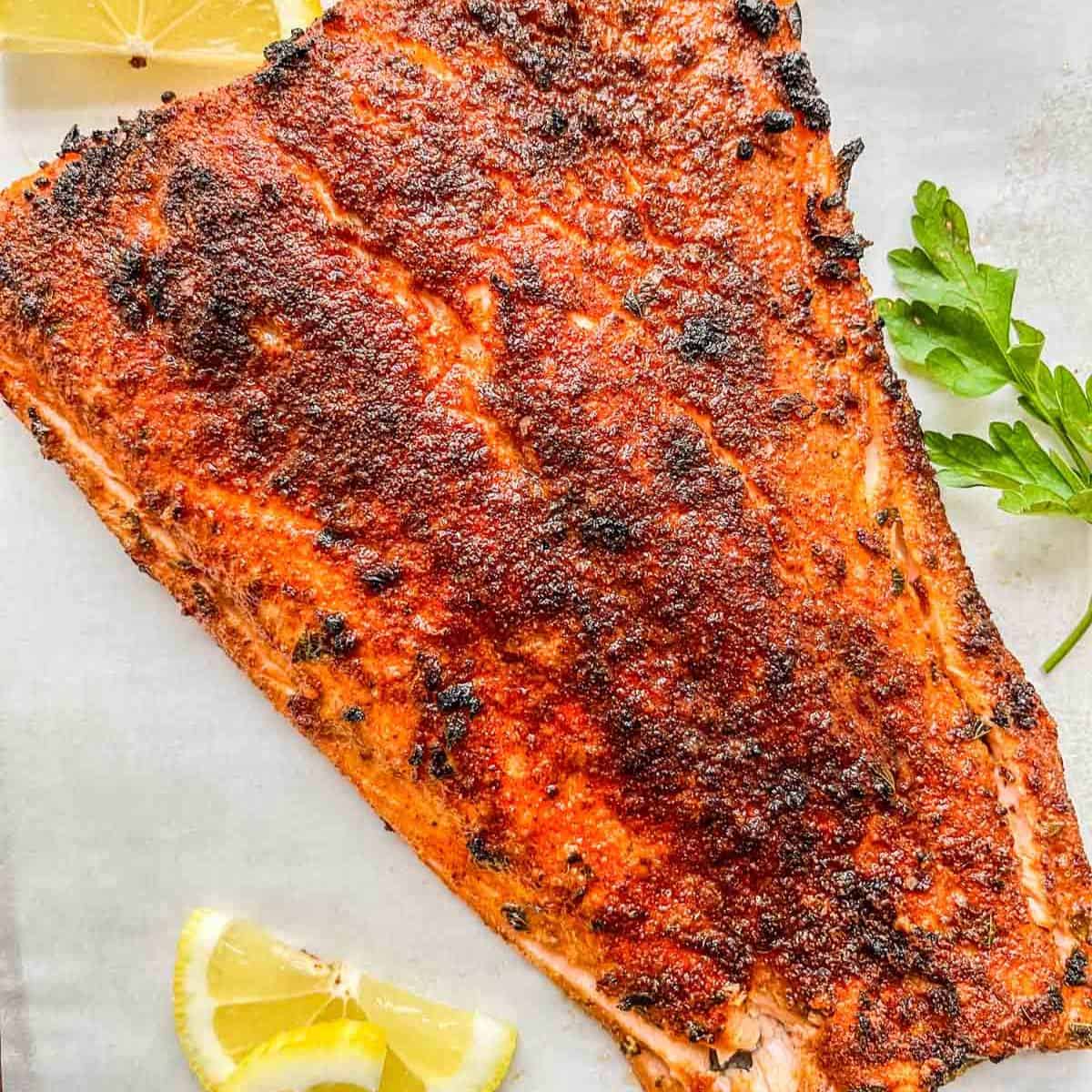
If you’re searching for a meal that ticks all the boxes – healthy, quick, and incredibly delicious – look no further than broiled salmon fillets. In today’s fast-paced world, finding time to prepare nutritious meals can be a challenge. That’s where the magic of broiling comes in. This cooking method transforms simple salmon into a culinary delight in mere minutes, all while preserving its vital nutrients, particularly those coveted omega-3 fatty acids. Forget lengthy cooking times and complicated recipes; broiling offers a straightforward path to perfectly cooked, flavorful fish that will become a staple in your kitchen.
Why Broil Salmon? The Ultimate Healthy & Quick Choice
The appeal of broiling salmon extends far beyond its speed. This method is a powerhouse for both convenience and nutrition, making it an ideal choice for health-conscious home cooks.
Preserving Precious Omega-3s and Essential Nutrients
Salmon is renowned for its exceptional nutritional profile, particularly its abundance of healthy fats. It's one of the best dietary sources of omega-3 fatty acids, specifically EPA (eicosapentaenoic acid) and DHA (docosahexaenoic acid). These essential fatty acids are vital for:
- Heart Health: Supporting cardiovascular function, reducing triglycerides, and lowering blood pressure.
- Brain Function: Contributing to cognitive health and development.
- Anti-Inflammatory Properties: Helping to combat chronic inflammation throughout the body.
The beauty of broiling lies in its cooking mechanism. By applying direct, intense heat from above, broiling cooks the fish rapidly. This quick exposure to high heat minimizes the degradation of delicate nutrients, including the heat-sensitive omega-3s, which can be more significantly diminished during longer cooking processes or certain frying methods. Broiling also requires minimal added fat – typically just a drizzle of olive oil – which further supports its health credentials, allowing the natural goodness of the salmon to shine through. Beyond omega-3s, salmon is also rich in lean protein, vitamin D, vitamin B12, and essential minerals like selenium and potassium, all of which are well-preserved through this efficient cooking technique.
Speed and Unmatched Convenience
For those hectic weeknights or spontaneous gatherings, time is of the essence. Broiling salmon is arguably one of the fastest ways to get a gourmet-quality meal on the table. While traditional baking might take 15-20 minutes, broiled salmon fillets are often ready in as little as 6-10 minutes. This high-heat method creates a desirable crispy texture on the surface while keeping the inside moist and tender – a melt-in-your-mouth experience that belies the minimal effort involved. As the U.S. Department of Agriculture defines, broiling is a cooking method that applies direct heat from above, making it particularly effective for delicate proteins like fish that cook quickly and benefit from a flavorful crust.
Mastering the Art of Broiling Salmon Fillets: A Step-by-Step Guide
Achieving perfectly cooked broiled salmon fillets is simpler than you might imagine. With a few key considerations and techniques, you'll be consistently turning out restaurant-quality fish.
Selecting and Preparing Your Salmon
- Choose Wisely: Start with fresh, high-quality salmon fillets. Options like Atlantic salmon, Sockeye salmon, or Coho salmon are popular choices. Wild-caught salmon often offers a firmer texture and richer flavor due to its natural diet, while farm-raised varieties are typically more consistent in fat content. Aim for fillets that are roughly 1 to 1.5 inches thick for even cooking.
- Essential Ingredients: While personal preferences vary, the foundation for delicious broiled salmon is simple:
- Salmon Fillets: Your primary ingredient.
- Olive Oil: A healthy fat that prevents sticking and helps create a beautiful crust. Extra virgin olive oil adds a robust flavor and healthy monounsaturated fats.
- Salt and Pepper: Basic seasoning that enhances the salmon's natural taste.
- Optional Flavor Enhancers: Don't hesitate to get creative. Lemon slices, garlic powder, paprika, dill, parsley, or a touch of cayenne pepper can elevate the flavor profile. A simple butter sauce or a honey-garlic glaze can also be brushed on for extra richness, especially during the last few minutes of cooking.
- Pat Dry: Before seasoning, gently pat your salmon fillets dry with paper towels. Removing excess moisture is crucial for achieving that coveted crispy skin and prevents steaming.
Setting Up for Success
Proper oven and pan preparation are critical for successful broiling:
- Preheat the Broiler: Always preheat your oven to high broil. This ensures the broiler element is scorching hot when the salmon goes in, facilitating quick searing and even cooking.
- Choose Your Pan: Line a baking dish with parchment paper for easy cleanup, or ideally, use a broiler pan. A broiler pan, with its slotted top and drip tray, allows for proper heat circulation around the fish and drains away any rendered fat, contributing to crispier skin and preventing the fish from sitting in its own juices.
- Position the Rack: Place your oven rack 3 to 6 inches away from the broiler element. This distance is vital; too close, and the salmon might burn on the outside before the inside is cooked; too far, and it won't achieve that characteristic crispness.
The Broiling Process
Once your oven and fish are ready, the cooking itself is remarkably swift:
- Seasoning: Drizzle or brush both sides of your broiled salmon fillets generously with olive oil, then season with salt and pepper, along with any other desired spices or herbs.
- Placement: Place the salmon fillets skin-side down on your prepared pan. This orientation protects the delicate flesh from the most intense heat initially and helps the skin crisp up nicely.
- Broil: Slide the pan into the preheated oven. Broil for approximately 6-10 minutes, though thicker fillets might require up to 12-15 minutes. The Culinary Institute of America emphasizes close monitoring, as the high heat cooks food very quickly.
- Check for Doneness: You'll know your broiled salmon is ready when the flesh appears opaque throughout and flakes easily with a fork. The skin should be beautifully crispy and slightly charred in places. For absolute precision, an instant-read thermometer inserted into the thickest part of the fillet should register 145°F (63°C), the USDA recommended safe internal temperature for fish.
Tips for Perfectly Broiled Salmon Fillets Every Time
Even with a straightforward method like broiling, a few expert tips can elevate your results from good to absolutely phenomenal.
- Uniform Thickness: If your salmon fillets have varying thicknesses, you can gently fold and tuck thinner ends underneath to create a more uniform piece. This ensures that all parts cook evenly, preventing dry edges and undercooked centers.
- Don't Overcrowd the Pan: Give your salmon fillets space! Arrange them in a single layer with at least an inch or two between each piece. Overcrowding can lower the pan temperature and lead to steaming rather than broiling, hindering that desirable crispy crust.
- Monitor Closely: Broiling is a fast-paced cooking method. Do not walk away from the oven. Keep a watchful eye on your salmon, especially during the last few minutes, to prevent burning. Broilers can vary significantly in intensity.
- Rest Your Fish: Just like with meats, allowing your salmon to rest for 2-3 minutes after removing it from the oven allows the juices to redistribute, resulting in a more tender and moist fillet.
- Embrace Acid: A squeeze of fresh lemon juice over the cooked salmon not only brightens the flavor but can also cut through the richness of the fish, enhancing the overall experience.
- Flavor Variations: Experiment with different rubs and glazes. A sprinkle of brown sugar can help achieve an extra caramelized crust, while a dash of chili powder adds a subtle kick. Consider a quick homemade lemon-dill sauce or a teriyaki glaze for a restaurant-worthy finish.
For achieving the perfect crispy skin and melt-in-mouth interior, dive deeper into these techniques with our guide on Secrets to Perfect Broiled Salmon: Crispy Skin & Melt-in-Mouth Texture. And for a rapid overview that gets you cooking in no time, check out Broiled Salmon: Get Crispy, Moist Fillets in Under 10 Mins.
Broiling salmon offers a healthy cooking method that preserves the fish’s vital nutrients, particularly its beneficial omega-3 fatty acids. It also enhances its flavor and accommodates various dietary preferences, making it a much quicker option compared to traditional baking or pan-frying with excessive oil.
There's no doubt that broiling salmon fillets is a game-changer for anyone seeking a healthy, quick, and satisfying meal. This method not only delivers perfectly cooked, flavorful fish with a desirable crispy skin but also ensures that you reap the full benefits of salmon's incredible nutritional profile, especially those crucial omega-3s. With minimal effort and maximum reward, broiled salmon is a versatile dish that can easily fit into any busy schedule while bringing gourmet-level taste to your table. So, fire up that broiler and prepare to enjoy a delicious, wholesome meal in minutes!
