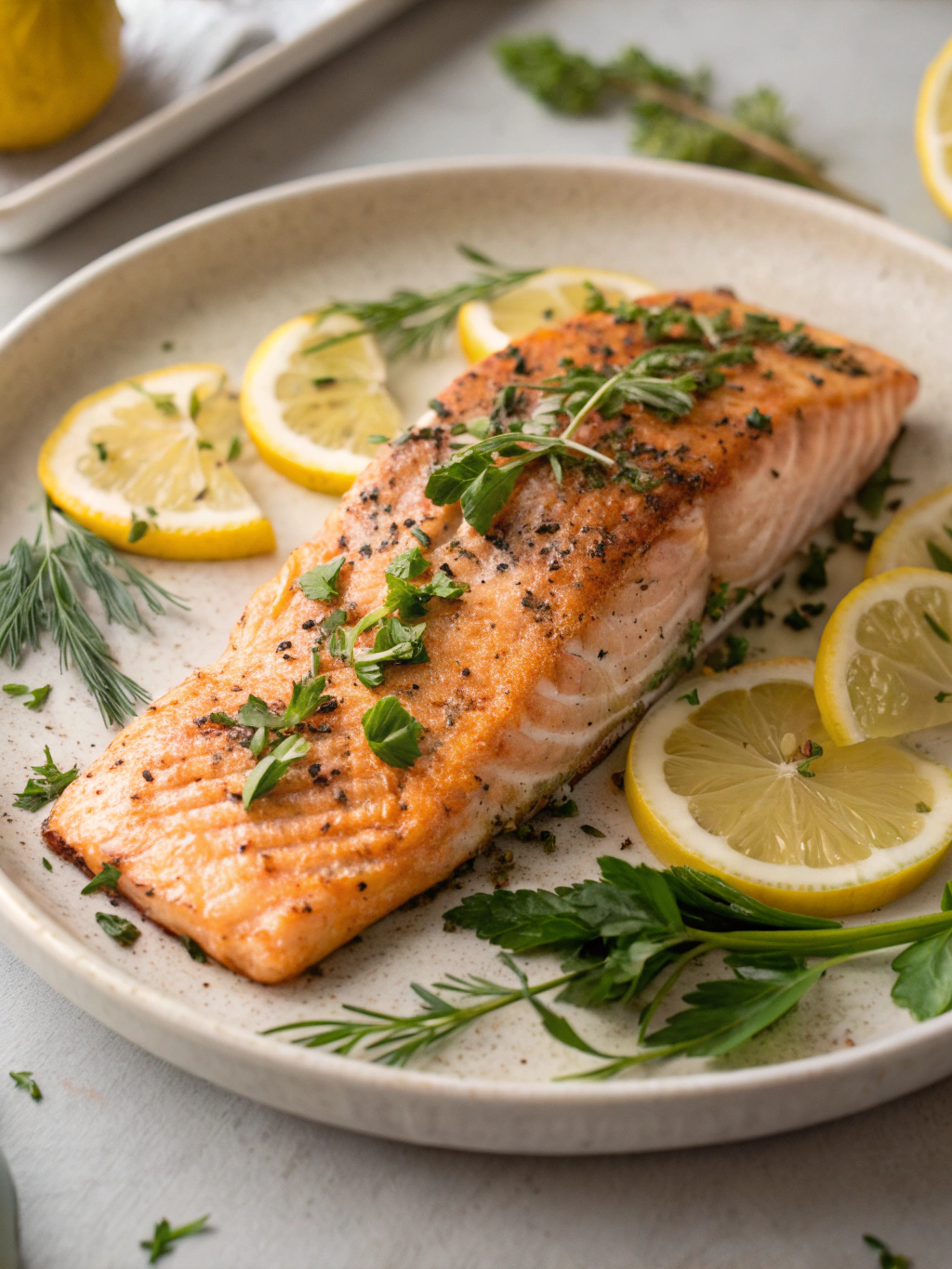
Unlocking the Magic of Broiled Salmon: Crispy Skin, Flaky Perfection
Imagine a culinary masterpiece that boasts a wonderfully crispy skin, a succulent, melt-in-your-mouth interior, and can be on your table in under 15 minutes. This isn't a pipe dream; it's the reality of perfectly broiled salmon fillets. Often overshadowed by baking or pan-searing, broiling offers a unique advantage, transforming humble salmon into a show-stopping dish with minimal effort and maximum flavor. Whether you're a seasoned chef or a beginner in the kitchen, mastering the art of broiling salmon will quickly become your go-to method for healthy, delicious weeknight meals or impressive quick gatherings.
Broiling, at its heart, is a high-heat cooking technique that uses direct radiant heat from above, typically from your oven's top heating element. This intense, focused heat is the secret weapon for achieving that coveted crispy texture on the surface of your salmon while locking in moisture and ensuring a tender, flaky finish inside. In this comprehensive guide, we'll demystify the process, revealing the tips and tricks to elevate your broiled salmon fillets to restaurant quality every single time.
Mastering the Broiler: The Science Behind Perfect Salmon
The beauty of broiling lies in its intensity. Unlike baking, which cooks food more slowly and evenly with circulating hot air, broiling cooks primarily from one direction, mimicking a grill's direct heat. This rapid cooking mechanism is precisely what allows for a quick sear on the exterior of your broiled salmon fillets. The high heat triggers the Maillard reaction – a chemical process responsible for browning and developing complex flavors – resulting in that irresistible crispy skin and savory crust.
To harness this power effectively, preparation is key. First, ensure your oven is preheated to its highest broil setting. This gets the heating element searing hot, ready to work its magic instantly. Next, consider your cooking surface. While a baking sheet lined with parchment paper can work, a dedicated broiler pan is often superior. A broiler pan typically consists of two pieces: a slotted top pan that holds the food and a bottom pan that catches drippings. This design allows for proper heat circulation around the fillet and prevents the salmon from sitting in its own rendered fat, which could hinder crispiness. If you don't have a broiler pan, lining a regular baking sheet with parchment paper is a good alternative, especially for easier cleanup.
The distance between your salmon and the broiler element is also crucial. For most ovens, positioning the rack 3-6 inches from the broiler provides the ideal balance between intense heat for crisping and enough distance to prevent burning before the interior is cooked through. Thicker fillets might benefit from a slightly lower position (further from the heat) to ensure even cooking without charring the outside, while thinner fillets can tolerate being closer.
Essential Ingredients for Flavorful Broiled Salmon Fillets
While the broiling technique is paramount, the quality and preparation of your ingredients play an equally significant role in achieving a truly exceptional dish. When it comes to broiled salmon fillets, a few key components make all the difference:
- The Star: Salmon Fillets: Opt for fresh, high-quality salmon. Look for vibrant color and firm flesh. Both Atlantic salmon (often farmed) and wild-caught sockeye salmon are popular choices. Wild-caught varieties like sockeye or coho often boast a richer flavor and firmer texture due to their natural diet. Aim for fillets of roughly even thickness (about 1-inch thick is ideal) to ensure consistent cooking. If your fillets vary greatly in thickness, you might need to adjust cooking times or consider cutting larger pieces in half. Remember, salmon is packed with healthy omega-3 fatty acids, making it an excellent choice for heart health. You can learn more about this in Broiling Salmon: A Healthy & Quick Way to Preserve Omega-3s.
- The Coating: Olive Oil: A good quality olive oil, especially extra virgin olive oil, serves multiple purposes. It prevents the salmon from sticking to the pan, conducts heat efficiently, and contributes healthy monounsaturated fats and antioxidants. Beyond that, it helps the seasonings adhere and promotes that desirable crispy skin. Avocado oil is another excellent neutral-tasting alternative with a high smoke point.
- The Foundation: Salt & Pepper: Don't underestimate the power of basic seasoning. A generous sprinkle of flaky sea salt and freshly ground black pepper is essential to enhance the natural flavors of the salmon.
- Beyond the Basics (Optional Enhancements):
- Acid: A squeeze of fresh lemon juice before or after broiling brightens the flavor profile. Consider thin lemon slices placed directly on top of the fillets during broiling.
- Herbs & Spices: Garlic powder, onion powder, smoked paprika, dried dill, or a touch of cayenne pepper can add wonderful depth. A simple rub of brown sugar, garlic powder, and paprika creates a delicious caramelized crust.
- Basting Sauce: For an extra layer of richness, baste the salmon halfway through cooking with a simple butter sauce infused with lemon and fresh herbs like parsley or dill. This creates an incredibly moist and flavorful finish.
Step-by-Step Guide to Perfectly Broiled Salmon
Achieving perfectly broiled salmon fillets is surprisingly straightforward when you follow these steps. The key is efficient preparation and close monitoring:
- Preheat the Broiler and Position Rack: Turn your oven to the high broil setting. Place the oven rack 3-6 inches below the broiler element. Allow the oven to preheat for at least 5-10 minutes to ensure the broiler is scorching hot.
- Prepare the Salmon: Pat the salmon fillets thoroughly dry with paper towels. This is a critical step for achieving crispy skin, as excess moisture will steam rather than sear.
- Prepare the Pan: Line a broiler-safe baking dish or broiler pan with parchment paper. Place the salmon fillets skin-side down on the prepared pan. If your fillets don't have skin, simply place them on the pan.
- Season the Fillets: Drizzle the top of each salmon fillet generously with olive oil. Season with salt and freshly ground black pepper. Add any desired additional seasonings, such as garlic powder, paprika, or herbs.
- Broil the Salmon: Carefully place the pan with the salmon under the preheated broiler. Broil for approximately 6-15 minutes, depending on the thickness of your fillets and the intensity of your broiler.
- For thinner fillets (under 1 inch), start checking around 6-8 minutes.
- For thicker fillets (1 inch or more), aim for 10-15 minutes.
- Check for Doneness: The salmon is ready when the flesh flakes easily with a fork and appears opaque throughout. The internal temperature should reach 145°F (63°C) for food safety, though many prefer it slightly less cooked for maximum moisture. The skin should be beautifully crispy and slightly charred in spots.
- Rest and Serve: Carefully remove the pan from the oven. Allow the salmon to rest on the pan for 2-3 minutes before serving. This allows the juices to redistribute, ensuring a juicier fillet.
Serve your perfectly broiled salmon fillets immediately with a wedge of lemon, a sprinkle of fresh dill, or alongside your favorite side dishes like roasted vegetables, quinoa, or a fresh salad.
Troubleshooting & Pro Tips for Broiled Salmon Success
While broiling salmon is generally forgiving, a few common pitfalls can be avoided with these troubleshooting tips and pro advice:
- Salmon is Dry: Overcooking is the most common culprit. Salmon cooks quickly! Rely on visual cues (flaking, opaqueness) and potentially a meat thermometer (target 145°F / 63°C) rather than just timing. Also, ensure you used enough oil to keep it moist.
- Skin Isn't Crispy:
- Did you pat the salmon dry? Moisture is the enemy of crispiness.
- Was your broiler hot enough? Ensure it's fully preheated.
- Is the salmon too far from the broiler element? Adjust the rack position.
- Salmon is Burning on Top:
- It's too close to the broiler. Move the rack down a notch.
- You're not monitoring it closely enough. High heat means fast cooking, so stay by the oven!
- Pro Tip: Bring to Room Temperature: For more even cooking, let your salmon fillets sit out at room temperature for 10-15 minutes before broiling. This takes the chill off and helps them cook through more uniformly.
- Pro Tip: Experiment with Flavor Glazes: For an extra special touch, brush your salmon with a glaze during the last few minutes of broiling. Think honey-garlic, a sweet chili sauce, or a teriyaki glaze. Be mindful of sugar content, as glazes can burn quickly under the broiler.
- Pro Tip: Instant Read Thermometer: For absolute precision, an instant-read thermometer is your best friend. Insert it into the thickest part of the fillet to ensure it reaches the desired internal temperature.
- Pro Tip: Skin-on vs. Skin-off: While we broil skin-side down, the skin helps protect the delicate flesh from the intense heat and keeps it moist. Plus, crispy salmon skin is a delicacy! If you prefer skinless, the method remains the same, but keep a closer eye on doneness.
With these secrets in your culinary arsenal, you're ready to create the most incredible broiled salmon fillets with crispy skin and a melt-in-your-mouth texture. This method truly highlights salmon's natural flavors and delivers a healthy, satisfying meal that's both quick and incredibly delicious. So go ahead, preheat that broiler, and get ready to impress yourself and your loved ones with this culinary triumph!
